Deborah Nyst (1981, Ghent) resumed her studies at the age of thirty, completing a Master’s degree in Fine Arts alongside her teacher training. For a long time, she focused on portraiture and domestic scenes. She practiced this genre while maintaining autonomy and a strong sense of individuality, seeing herself as an artist who primarily carried forward a tradition. Dedication to craftsmanship and to portraying the protagonist with the appropriate atmosphere, psychology, and sense of time were her main driving forces. During these years, Deborah Nyst developed a knowledge and technical mastery that are unmistakably present today in her meticulous watercolors.
Following the loss of her daughter on February 1, 2023, and the profound grief that ensued, a fundamental artistic shift emerged in her work. In December 2024, a sense — in its broadest meaning — returned to her work. She began to embrace other genres and to create highly eclectic works. Alongside her previously classical approach, we now recognize influences from abstract and surrealist art. In addition, she establishes connections with Dada through her use of second-hand frames. Elements already present in the frame can thus become a direct source of inspiration for the image. The back of the frame is also incorporated into the work. In this way, the image transcends its flat, pictorial surface and enters into a clear dialogue with the objet trouvé of the Dadaist movement.
There are no easy lessons to be drawn from such a loss. There was a need for meaning in the face of such sorrow, while at the same time any possible answer to the question of “why” remained unacceptable. For Deborah Nyst, everything suddenly became relative: both everything and nothing could acquire meaning. She discovered that even a slightly absurd sense-making can be comforting. Humor and self-relativization offer breathing space; everything is ambiguous and layered. Having always been open to encounters within her portrait practice, Deborah Nyst carries this attitude forward into her current body of work. Here too, she draws inspiration from images and chance encounters that come her way.
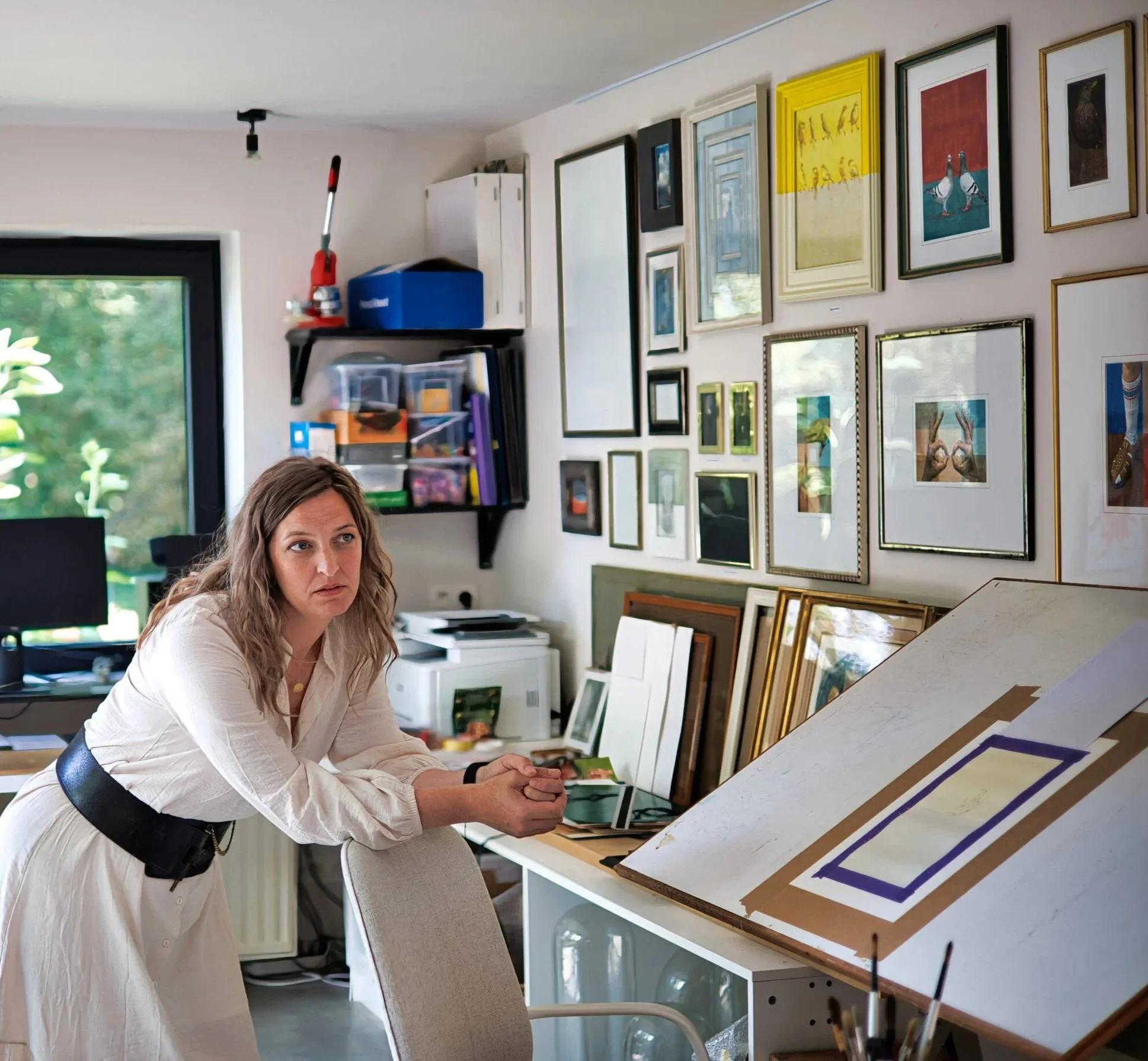
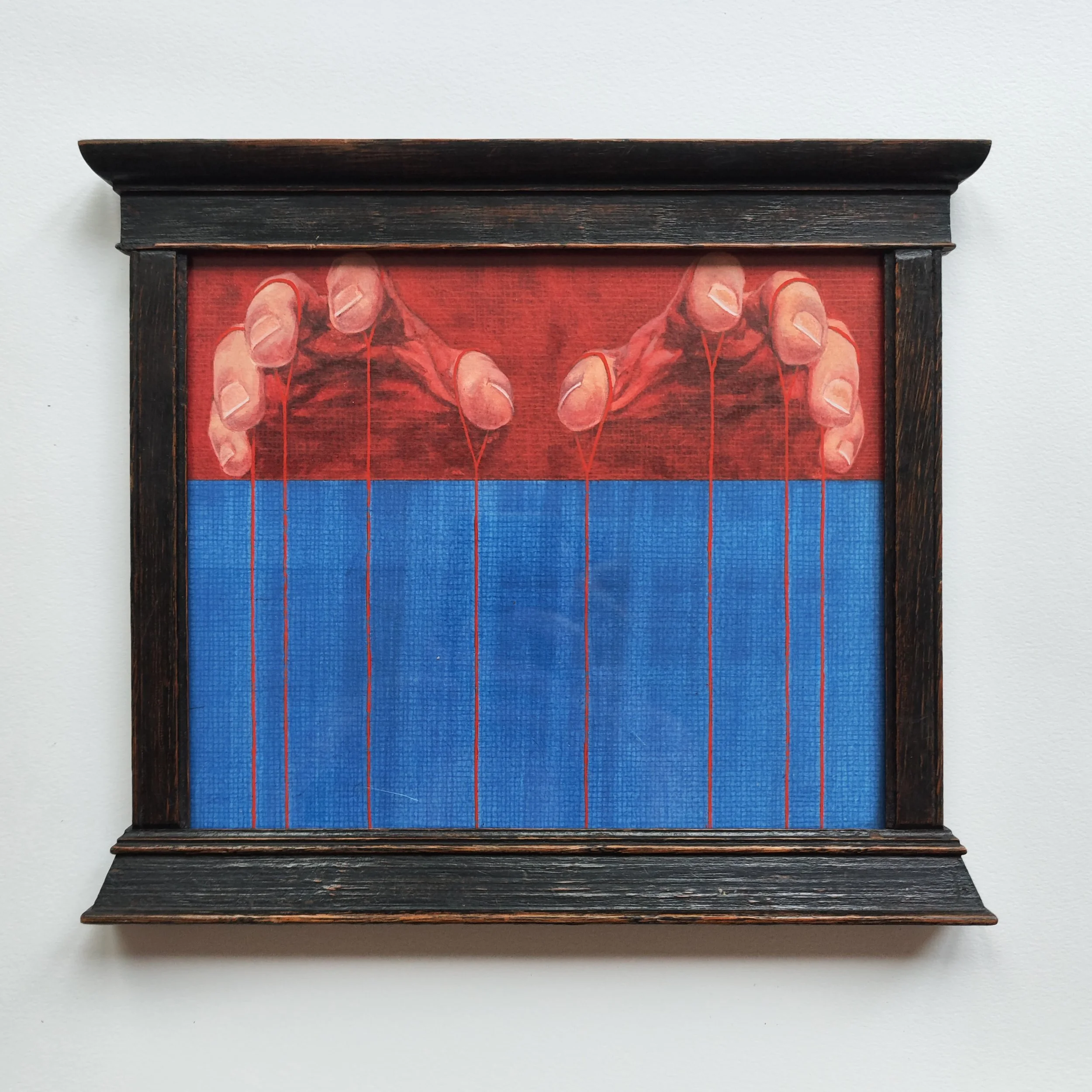
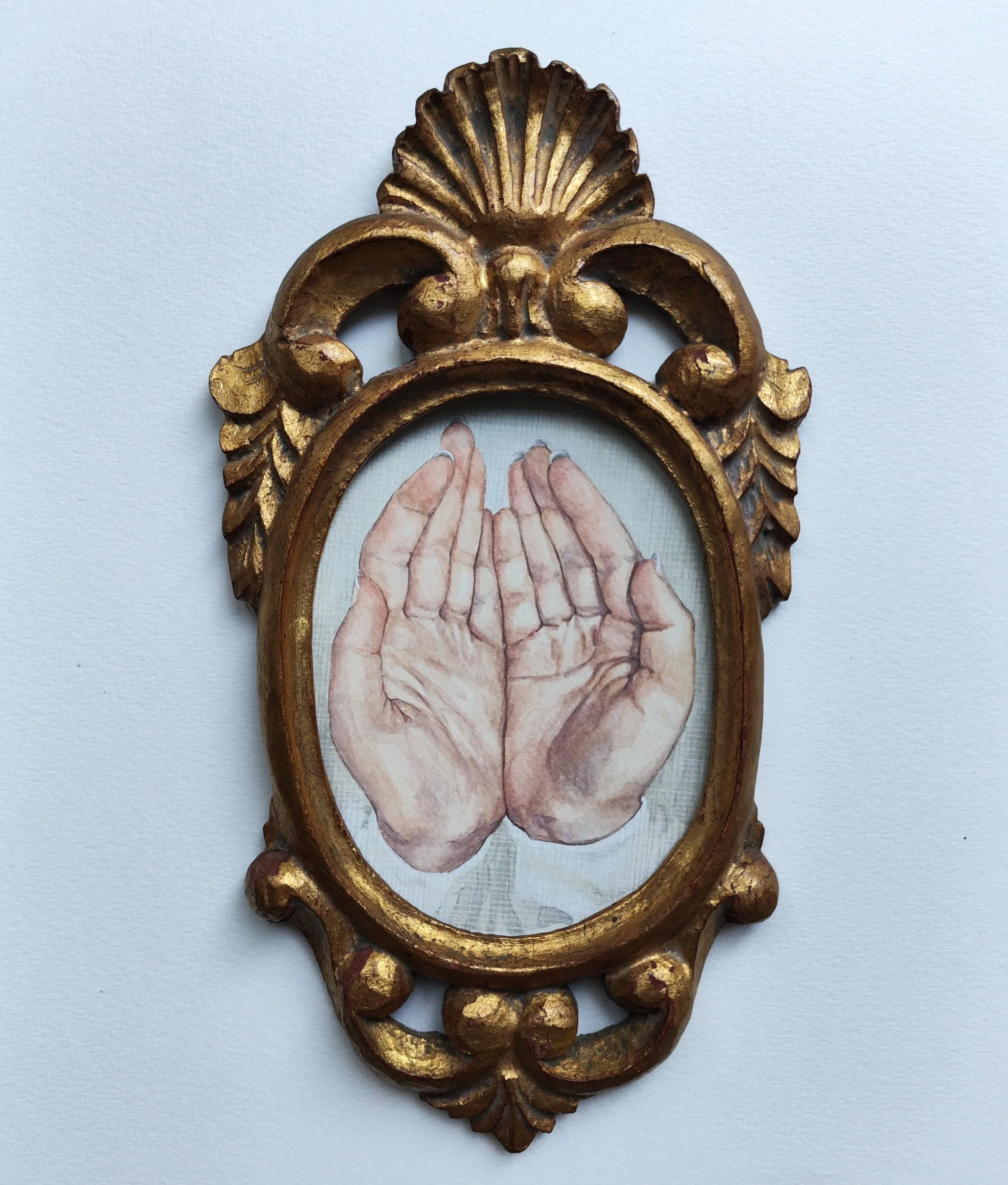
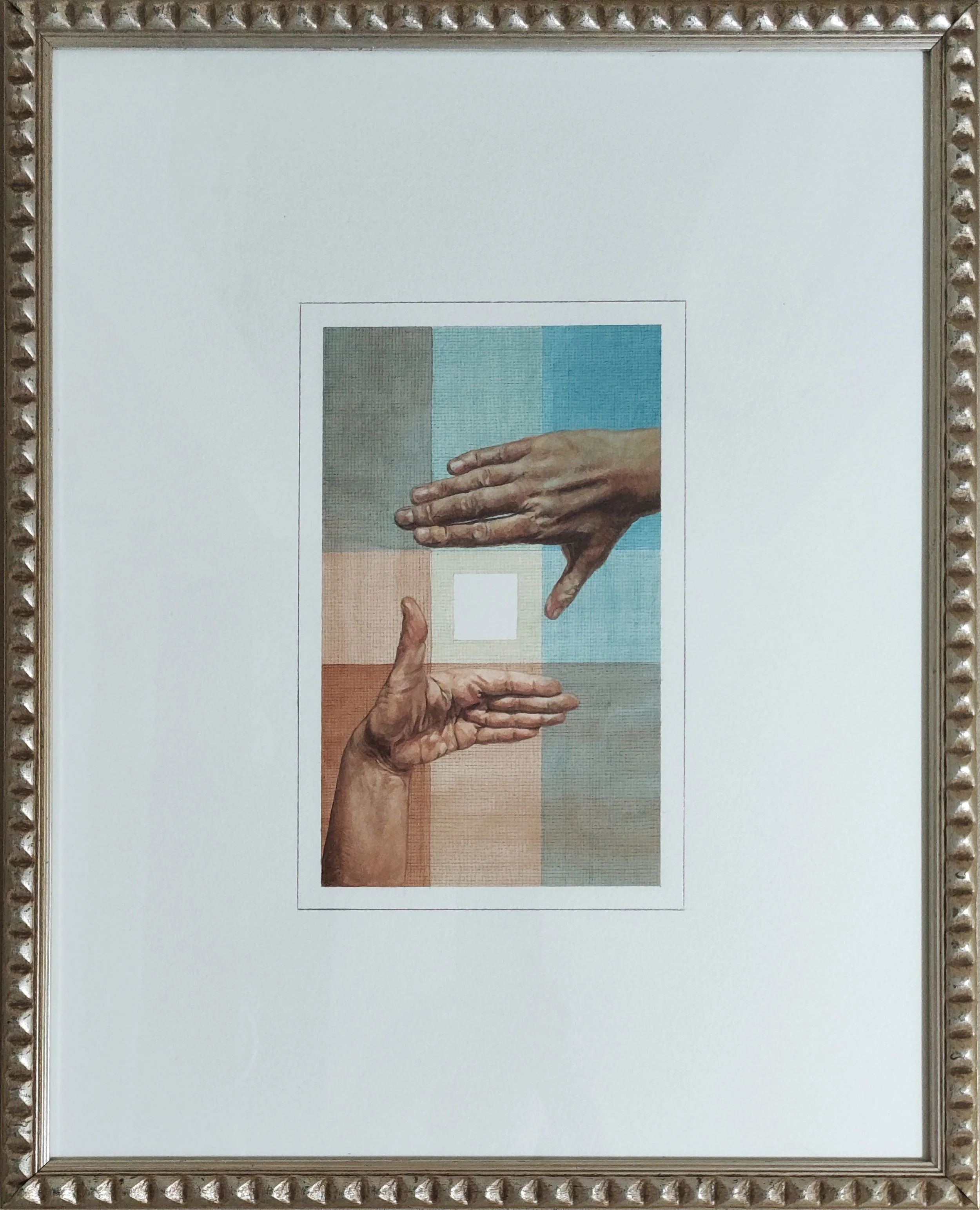
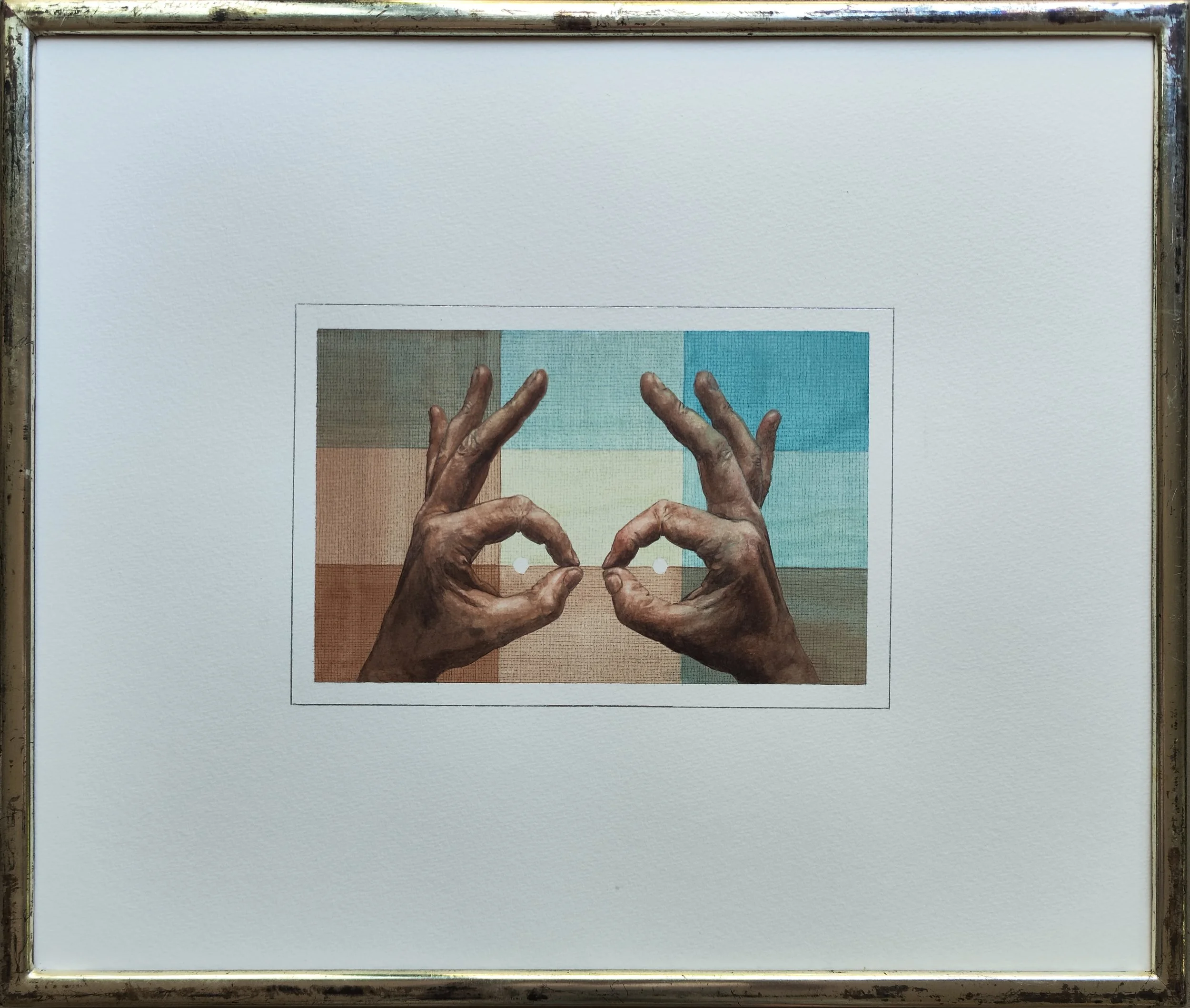
Her subjects are deliberately arbitrary: animals, organisms, objects — often combined with second-hand frames. In this way, image and frame together acquire a new meaning. The works, executed in watercolor on paper and presented behind glass, seamlessly translate the light, fragile, and transparent qualities of her visual language. The titles are sometimes humorous or poetic, at other times built around a wordplay or a wink, and are graphically rendered on the back of the painting. Each work thus literally has two sides and manifests itself as an autonomous object. Deborah Nyst’s work is inviting and encourages viewers to form their own associations and narratives.
As Viktor Frankl stated, “Suffering ceases to be suffering at the moment it finds meaning.”Deborah Nyst cherishes the desire to bring people together and to create space for shared stories. Art, in her view, truly belongs among people — in their homes, their thoughts, and their conversations.
“Play and connection are my framework.
Meaning is my driving force.
And humor — that is my breath.”
— Deborah Nyst
Read also a beautiful article about Deborah and her work by clicking on the link below:
https://kinderkankerfonds.be/deborah-nyst/
-
![]()
Stage of Power
31 × 26,5 cm
Mixed Media
SOLD -
![]()
Have Faith
17 × 31 cm
Mixed media
SOLD -
![]()
Outlining
43 × 53 cm
Mixed Media -
![]()
Points of View
43 × 53 cm
Mixed Media